
Picture a futuristic swarm of robots deployed on a time-sensitive task, like cleaning up an oil spill or assembling a machine. At first, adding robots is advantageous, since many hands make light work. But a tipping point comes when too many crowd the space, getting in each other’s way and slowing the whole task down.
Too many cooks, or too many robots? Finding a Goldilocks level of randomness to keep robot swarms moving

-
 Highlights
Free Dark Web Monitoring Stamps the $17 Million Credentials Markets
-
 Highlights
Smart buildings: What happens to our free will when tech makes choices for us?
-
 Apps
AppsScreenshots have generated new forms of storytelling, from Twitter fan fiction to desktop film
-
 Highlights
Darknet markets generate millions in revenue selling stolen personal data, supply chain study finds
-
 Security
Privacy violations undermine the trustworthiness of the Tim Hortons brand
-
 Featured Headlines
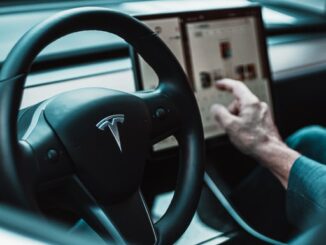
Why Tesla’s Autopilot crashes spurred the feds to investigate driver-assist technologies – and what that means for the future of self-driving cars


