
Heat, air pollution, and flooding can affect a city and the health of city residents. Yet few cities have a comprehensive network of weather stations providing accurate measurements of rainfall, humidity, and air temperature across different neighborhoods. Some of this information can be filled in by community members’ personal weather stations, like those connected through Weather Underground. But because of a lack of sensors and inconsistencies in data collection, these types of community networks are often not reliable on their own. Furthermore, most personal weather stations are located in higher-income neighborhoods, with very few in lower-income, underserved neighborhoods.
Fixing Baltimore’s unequal weather data coverage

-
 Highlights
Free Dark Web Monitoring Stamps the $17 Million Credentials Markets
-
 Highlights
Smart buildings: What happens to our free will when tech makes choices for us?
-
 Apps
AppsScreenshots have generated new forms of storytelling, from Twitter fan fiction to desktop film
-
 Highlights
Darknet markets generate millions in revenue selling stolen personal data, supply chain study finds
-
 Security
Privacy violations undermine the trustworthiness of the Tim Hortons brand
-
 Featured Headlines
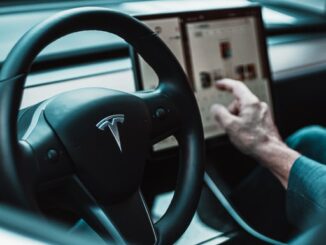
Why Tesla’s Autopilot crashes spurred the feds to investigate driver-assist technologies – and what that means for the future of self-driving cars


